New research from UVA Darden professor Saed Alizamir suggests that small changes to the way smart thermostats are designed and used could lower household energy bills while easing strain on an increasingly stressed power grid.
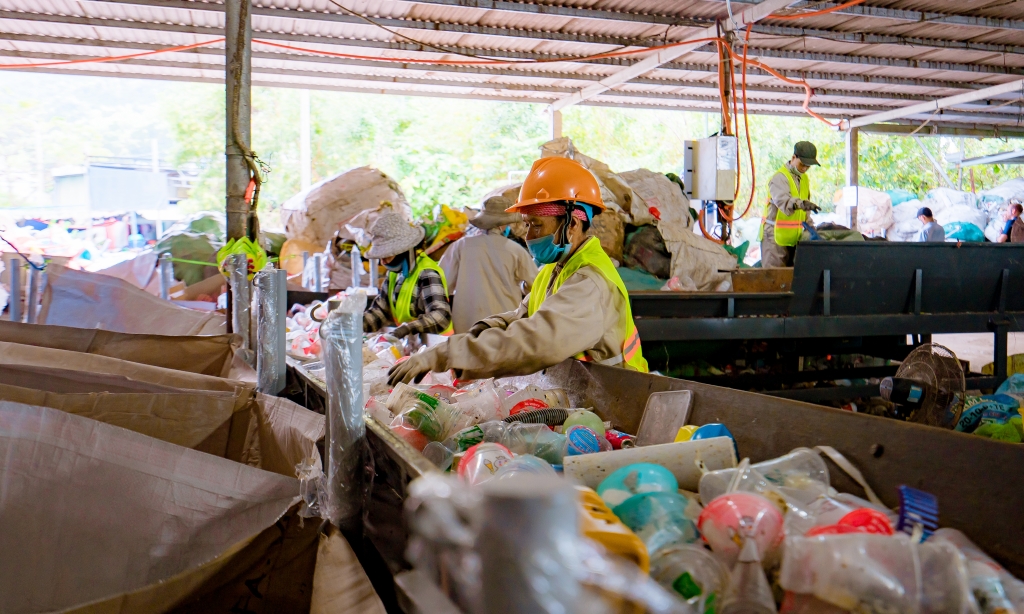
New fintech apps promise a direct line from socially conscious buyers to small-scale growers and let shoppers tip the smallholders who harvest everything from coffee to cocoa. But research by Darden Professor Saed Alizamir shows that without guardrails, this well-intentioned strategy can backfire, leaving workers exposed to severe income risk.
New research co-authored by UVA Darden assistant professor Christoph Herpfer finds that banks are pricing physical climate risk into corporate loans—but, surprisingly, those risk premiums are often overinflated.
The human brain is the most powerful network ever built: 86 billion neurons connected by more than 100 trillion synapses, enabling us to think, learn, and adapt. What happens when those connections break? Yael Grushka-Cockayne and Mike Lenox speak with UVA Professor Jack Van Horn.
Kalshi and Polymarket have surged in value and volume in the past year. A new Darden case, focusing on a media analytics firm’s gametime dilemma, asks students to wrestle with how accurate these prediction platforms are, and how companies should take them into account in determining their forecasts.
As artificial intelligence disrupts many industries, MBA students and alumni are increasingly betting on “boring” businesses such as HVAC, plumbing and electrical companies that keep the economy running. Darden Professor Les Alexander explains why.
How can marketing leaders manage brand visibility when customers increasingly receive answers from AI rather than lists of links from a traditional search platform? A new technical note from Professor Kimberly A. Whitler introduces a practical framework for marketing in the age of AI.
UVA Darden researchers argue that adding social enterprises to public-private partnerships can deepen community engagement, strengthen implementation and produce more sustainable, scalable solutions to global challenges.
Artificial intelligence shouldn't be judged solely by profit or performance, says Darden professor Roshni Raveendhran. In this Q&A, she explains why AI should be designed to support autonomy, competence and human connection — and how organizations can use purpose to guide responsible innovation.
Mike Lenox and Yael Grushka-Cockayne talk with Jared Orton, President of Banana Ball, for a truly engaging conversation on the "Greatest Show in Sports."