Digital technologies are redefining business landscape, disrupting markets and industries. Darden Professor Michael Lenox offers insights how incumbent firms can start capturing the opportunities offered by digitization.
Does long-term success come from winning the established game or creating the terms of your own? In the multibillion dollar video game industry, 130-year-old company Nintendo competes with a sometimes riskier approach to innovation.
Mergers and acquisitions can lead to company growth, but they’re also risky and sometimes even destroy shareholder value. Darden Professor Jay Bourgeois offers 20 questions organizations should answer before pursuing an M&A strategy.
The “pivot” has become part of startup lexicon. But pivot-thinking may not work for all companies, and substantially changing an organization’s strategy can be difficult and expensive for entrepreneurs. Darden experts weigh in.
How does a legacy luxury brand navigate the twists and turns of changing economic circumstances? There are few one-size-fits-all solutions in leadership, and evolving business contexts may require strategic pivots. Darden Professor Jay Bourgeois discusses leadership and strategy lessons that have driven Aston Martin’s success in recent decades.
This article, adapted from Professor Jeanne Liedtka and Timothy Ogilvie’s "10 Tools for Design Thinking," includes steps managers can use to identify and execute opportunities for growth and innovation.
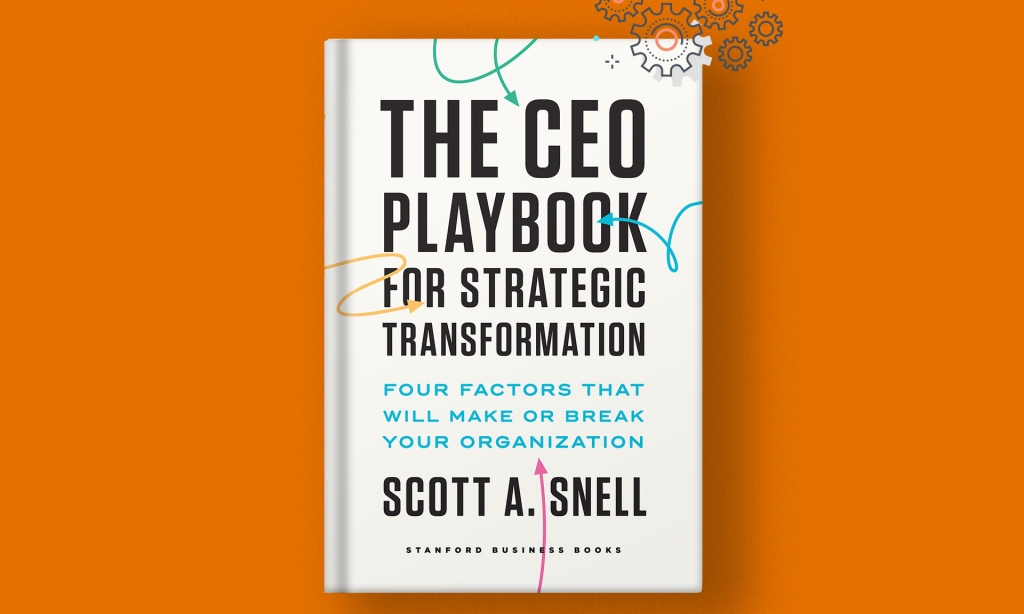
The key differentiator between bottom and top performers is not strategy but strategy execution. Professor Scott Snell delved into the topic at the Leadership in the Face of New Technology conference.
Competition is defined by the relationship between its constituent parts: action and response. The two are as interdependent as day and night; they exist within the context of one another, together creating one totality.
Darden Professor Ming-Jer Chen discusses the considerations that went into the partnership between LEGO and Warner Brothers in the making of The LEGO Movie.